



























































.jpg)
Understanding Autism and Emotions
Autism is a neurodevelopmental disorder that affects individuals' ability to communicate, interact socially, and process information. In addition to these core challenges, individuals with autism often experience unique difficulties when it comes to understanding and expressing emotions. This section will explore the intersection of autism and emotions, as well as the specific challenges faced by individuals on the autism spectrum.
The Intersection of Autism and Emotions
Emotions play a crucial role in our daily lives, influencing our thoughts, behaviors, and social interactions. For individuals with autism, the intersection of autism and emotions can present unique complexities. While emotions are experienced by individuals on the autism spectrum, they may express and interpret them differently compared to their neurotypical peers.
Challenges in Emotion Processing for Individuals with Autism
Individuals with autism may experience challenges in various aspects of emotion processing. Some common difficulties include:
- Emotion Recognition: Recognizing and understanding facial expressions can be challenging for individuals with autism. They may have difficulty interpreting subtle cues or distinguishing between different emotions.
- Social Cues and Nonverbal Communication: Understanding social cues and nonverbal communication, such as body language and tone of voice, can be particularly challenging for individuals with autism. These cues often play a significant role in conveying emotions and intentions in social interactions.
- Theory of Mind: Theory of mind refers to the ability to understand that others have thoughts, beliefs, and emotions that may differ from one's own. Difficulty with theory of mind can impact an individual's ability to empathize and understand the emotions of others.
- Sensory Sensitivities: Many individuals with autism experience sensory sensitivities, such as being overly sensitive or under-responsive to sensory stimuli. These sensitivities can affect emotional regulation and contribute to difficulties in expressing and managing emotions effectively.
Understanding the challenges faced by individuals with autism in processing emotions is crucial for providing appropriate support and fostering emotional well-being. By recognizing and addressing these challenges, parents, caregivers, and professionals can work together to help individuals on the autism spectrum navigate the complex world of emotions more effectively.

Emotional Expression in Autism
Understanding how individuals with autism express and experience emotions is essential for creating a supportive environment. Autism can manifest in various ways when it comes to emotional expression and regulation. In this section, we will explore the differences in emotional expression and the impact of sensory sensitivities on emotional regulation in individuals with autism.
Differences in Emotional Expression
Individuals with autism may exhibit differences in how they express their emotions compared to neurotypical individuals. It's important to note that these differences are not indicative of a lack of emotions, but rather a unique way of experiencing and displaying them. Some common differences in emotional expression among individuals with autism include:
Understanding these differences in emotional expression can help foster better communication and empathy between individuals with autism and their loved ones.
Sensory Sensitivities and Emotional Regulation
Sensory sensitivities play a significant role in the emotional regulation of individuals with autism. Many individuals on the autism spectrum experience heightened sensitivity to sensory stimuli, such as sounds, lights, textures, or smells. These sensitivities can influence emotional states and contribute to challenges in emotional regulation.
To support emotional regulation, it is essential to create a sensory-friendly environment that minimizes triggers and provides opportunities for self-calming strategies. This may include using noise-cancelling headphones, providing sensory breaks, or incorporating sensory-friendly materials and lighting.
By understanding the differences in emotional expression and the impact of sensory sensitivities, parents and caregivers can better support the emotional well-being of individuals with autism. Creating an environment that accommodates these unique needs and promotes emotional regulation can help individuals with autism thrive and lead fulfilling lives.
Decoding Emotions in Autism
Individuals with autism often face challenges in decoding and understanding emotions. Their unique neurodevelopmental profile can affect their ability to recognize facial expressions and interpret social cues. In this section, we will explore the difficulties in recognizing facial expressions and the challenges in understanding social cues and nonverbal communication for individuals with autism.
Difficulties in Recognizing Facial Expressions
One of the primary difficulties individuals with autism encounter is recognizing and interpreting facial expressions accurately. Facial expressions play a crucial role in conveying emotions and social information. However, individuals with autism may struggle to discern the subtle nuances and variations in facial expressions.
These challenges in recognizing facial expressions can impact their ability to understand others' emotions and respond appropriately in social interactions. However, it's important to note that with proper support and intervention, individuals with autism can develop skills to improve their recognition of facial expressions.
Challenges in Understanding Social Cues and Nonverbal Communication
In addition to difficulties with facial expressions, individuals with autism may struggle with understanding social cues and nonverbal communication. Nonverbal cues, such as body language, gestures, and tone of voice, provide important contextual information during social interactions. However, individuals with autism may find it challenging to interpret and respond to these cues effectively.
These challenges can lead to misunderstandings and difficulties in social communication for individuals with autism. It's important to create an environment that supports their unique communication needs and provides explicit instruction and guidance in understanding social cues and nonverbal communication.
By understanding the difficulties individuals with autism face in recognizing facial expressions and understanding social cues and nonverbal communication, we can implement strategies and interventions to support their emotional development and enhance their social interactions.
Strategies for Supporting Emotional Well-being
Supporting the emotional well-being of individuals with autism is essential for their overall development and quality of life. Here are three strategies that can help in this regard: building emotional literacy, creating a structured environment for emotional regulation, and encouraging social skills and emotional connection.
Building Emotional Literacy
Emotional literacy involves understanding and effectively expressing emotions. For individuals with autism, developing emotional literacy can be particularly challenging. However, with the right support and guidance, it is possible to enhance their emotional awareness and expression.
One effective strategy is to use visual aids, such as emotion charts or facial expression flashcards, to help individuals with autism identify and label different emotions. By providing concrete visual cues, it becomes easier for them to recognize and communicate their feelings.
Another approach is to incorporate social stories or social scripts that focus on emotions. These stories can help individuals with autism understand various emotional situations and learn appropriate ways to respond. Breaking down complex emotions into simpler components can facilitate comprehension and engagement.
Creating a Structured Environment for Emotional Regulation
Individuals with autism often benefit from a structured environment that promotes emotional regulation. Predictability and routines provide a sense of security and stability, which can help reduce anxiety and meltdowns.
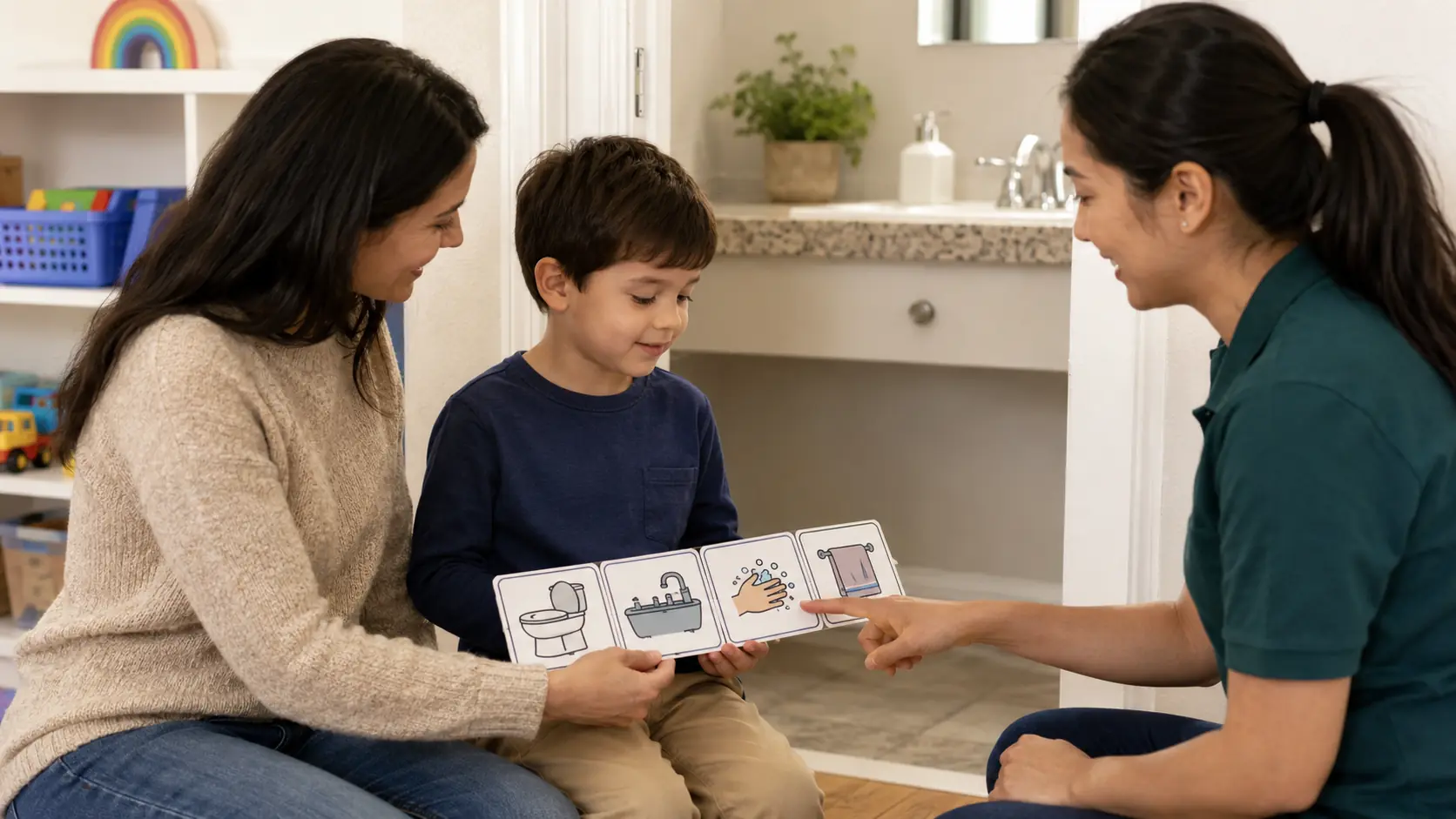
Establishing clear expectations and routines can be achieved through visual schedules or visual timetables. These visual aids outline daily activities and transitions, providing individuals with autism a clear understanding of what to expect throughout the day. Visual schedules can also incorporate emotion icons, allowing individuals to express their emotional state and facilitate communication.
Additionally, providing sensory supports, such as calming spaces or sensory tools like fidget toys, can aid in emotional regulation. These tools can help individuals with autism manage sensory sensitivities and self-soothe during times of stress or overwhelm.
Encouraging Social Skills and Emotional Connection
Developing social skills and fostering emotional connection is crucial for individuals with autism. Social interactions and emotional connections contribute to a sense of belonging and overall well-being.
Structured social skills training programs can be beneficial, as they provide individuals with autism with opportunities to learn and practice social skills in a controlled and supportive environment. These programs can focus on skills such as turn-taking, active listening, and recognizing social cues.
Encouraging peer interactions and facilitating social opportunities can also contribute to emotional well-being. This can be achieved through inclusive activities, such as group games or shared hobbies, where individuals with autism can engage with their peers and develop meaningful relationships.
By implementing strategies that focus on building emotional literacy, creating a structured environment, and fostering social skills and connections, parents and caregivers can support the emotional well-being of individuals with autism. These strategies not only enhance emotional regulation and expression but also contribute to overall social and emotional development.
Promoting Emotional Resilience
Supporting emotional resilience is crucial for individuals with autism. By building a supportive network, advocating for individuals with autism, and celebrating and nurturing their individual strengths, we can help foster their emotional well-being.
Building a Supportive Network
Creating a strong support system is essential for promoting emotional resilience in individuals with autism. This network should include family members, friends, teachers, therapists, and other individuals who are understanding, accepting, and knowledgeable about autism. By surrounding individuals with autism with a supportive community, they can feel validated, understood, and encouraged to express their emotions.
Support Network Members
- Family
- Friends
- Teachers
- Therapists
- Support Groups
Advocating for Individuals with Autism
Advocacy plays a vital role in ensuring that individuals with autism have access to the resources and support they need. By advocating for their rights and needs, we can create a more inclusive society that understands and accepts individuals with autism. This can involve raising awareness, promoting acceptance, and pushing for policies and programs that cater to the unique challenges faced by individuals with autism.
Advocacy Actions
- Raising Awareness
- Promoting Acceptance
- Pushing for Inclusive Policies
- Supporting Autism Organizations
Celebrating and Nurturing Individual Strengths
Each individual with autism is unique, with their own set of strengths and talents. Celebrating and nurturing these strengths can significantly contribute to their emotional resilience. By focusing on their abilities and providing opportunities for them to explore and develop their interests, we empower individuals with autism to build confidence, self-esteem, and a positive self-identity.
Individual Strengths
- Artistic Talents
- Exceptional Memory
- Attention to Detail
- Strong Analytical Skills
- Unique Perspectives
By building a supportive network, advocating for individuals with autism, and celebrating and nurturing their individual strengths, we can promote their emotional resilience. It is essential to remember that emotional well-being is a lifelong journey, and the support and understanding we provide can make a significant difference in the lives of individuals with autism.
FAQs
Here are some frequently asked questions about autism emotions:
Can people with autism feel emotions like neurotypical individuals?
Yes, people with autism can feel a full range of emotions. However, they may have difficulty recognizing and expressing these emotions in the same way as neurotypical individuals.
Do all people with autism experience emotions differently?
No, each individual with autism is unique and may experience emotions differently. Some individuals may have difficulty regulating their emotions, while others may have more typical emotional responses.
How can I help my loved one with autism better understand their own emotions?
One way to help your loved one better understand their own emotions is to use visual aids or social stories. You can also encourage them to identify and label their feelings when they occur.
Is it common for people with autism to have intense emotional reactions?
Yes, some individuals with autism may have intense emotional reactions to certain stimuli or situations. This can be due to difficulties with sensory processing or regulation of emotions.
What should I do if my loved one with autism has a meltdown or intense emotional outburst?
It's important to remain calm and provide a safe and supportive environment for your loved one during a meltdown or emotional outburst. You can also help them develop coping strategies for managing intense emotions in the future.
Conclusion
Understanding autism emotions is an important step in supporting the individuals who live with this condition. By recognizing the unique challenges and needs of people with autism, we can create a more inclusive and supportive society for all. Remember to approach the topic with empathy and understanding, and always strive to learn more about this complex condition.